Key takeaways
- Analysts who experience deadly hurricanes become more pessimistic in their forecasts
- Personal exposure to tail risk events recalibrates professional risk assessment
- The effect persists beyond the immediate aftermath of the disaster
- Lived experience shapes how professionals perceive and communicate risk
- This has implications for how we think about expertise and judgment
The research question
Financial analysts are supposed to be objective. Their forecasts should reflect fundamentals, not personal experiences. But are they really immune to the events that shape their lives?
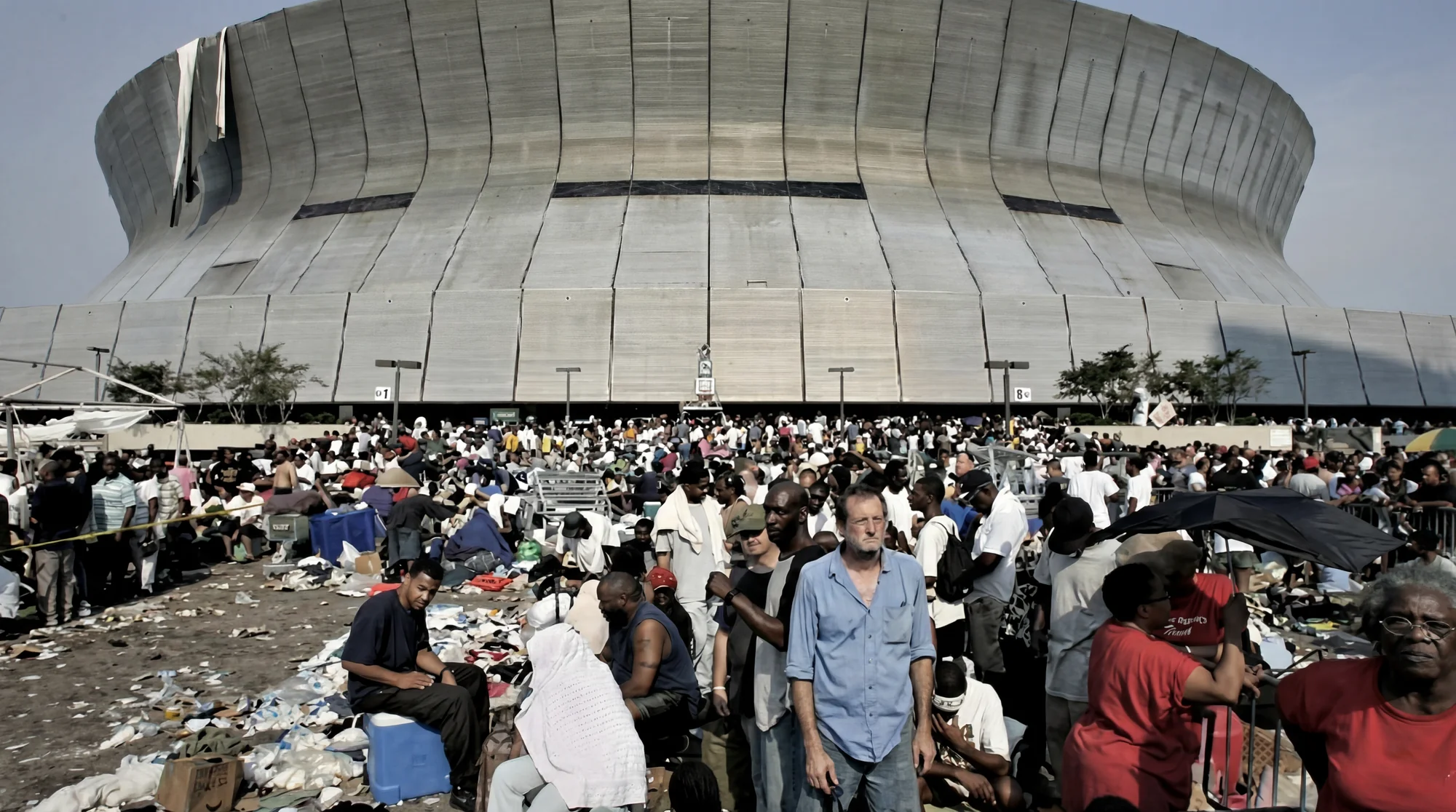
We examine what happens when analysts live through deadly hurricanes. These are traumatic, salient events that make tail risks vivid in a way that abstract statistics cannot.
What we found
Analysts who experience deadly hurricanes issue more pessimistic forecasts afterward. They become more attuned to downside risk. This is not a temporary reaction. The shift in risk perception persists.
This finding challenges the assumption that professional training can fully insulate judgment from personal experience. Even sophisticated financial professionals are shaped by what happens to them.
Implications
Understanding how life events affect professional judgment matters for investors who rely on analyst forecasts. It also matters for how we think about expertise more broadly. Experience is not just noise to be filtered out. It is information.
← Back to all research